
Choosing the restaurant in 2026 feels different now
Selecting the restaurants in 2026 feels different now, where quality of food is combined with emotion, values and experience. The factors that influence the choice of dining include lifestyle shift, digital pressure, and increased interest in connection and meaning. The restaurants have ceased to be evaluated on the basis of menus or price; rather, the Australians consider how the place makes them feel, what it symbolises, and how it can be integrated into their social and personal identity.For many diners, this shift has also reshaped tips for choosing the right restaurant, focusing less on trends and more on genuine alignment with lifestyle and expectations.
What matters most in 2026
The decision to pick a restaurant in 2026 will be different as customers have become more knowledgeable, purposeful, and discerning. Australians are more dependent on social media content, peer reviews, and real-time reviews as opposed to traditional advertisements.
The convenience is still an issue, but it is accompanied by the expectations regarding the quality, ethics, and uniformity. Individuals are also less inclined to risk going to a location that is generic, favoring locations that overtly spell out their intention, identity, and quality even before the initial visit has occurred.
Vibe and atmosphere shape the first impression
Now, the mood and the feel of a restaurant are key aspects in initial impressions. It takes Australians a few seconds to determine whether a place suits them or not based on lighting, music, interior design, layout and the general energy.
The friendly and well-planned space is an indicator of professionalism and attention, and the distinctive visual image works to the advantage of restaurants in the real world and on social media. The atmosphere is not only decoration, but it creates expectations concerning the whole dining experience and can make the customers stay, come back, and recommend the venue highly in 2026.
Experiential dining turns meals into occasions
The experiential type of dining has emerged to be the core of the Australian restaurant value, where food has become a memory affair instead of a daily destination. Noises like open kitchens, interactions with chefs, themed nights, tasting menus and engagements with the culture take the dining beyond the food.
Australians are growing picky about restaurants they attend during their birthdays, catch-ups, and other celebrations; they deliberately attend places that provide an outstanding experience rather than the menu. This mindset applies equally whether dining locally or exploring a restaurant in epping plaza, where atmosphere and experience often guide the final choice.
Authenticity and storytelling create an emotional connection
In 2026, authenticity and storytelling will establish high emotional bonds between restaurants and diners. Australians desire to hear the story behind the food, where the ingredients are sourced, by whom the food is prepared, and what the cultural or personal experience was that led to the idea.
The restaurants that tell the story of pure passion, tradition, or mission are more credible and likable. This emotional aspect makes the customers become loyal followers because human beings feel like they are supporting a story and values they believe in and not just buying a meal.
Value and trust guide final decisions
Although experience is important, the bottom line of dining choices is determined by value and trust. In 2026, Australians understand value to be not just about low prices, but it encompasses the quality of portions, transparency, consistency of service, and honesty.
Transparent pricing, menu accuracy, online reviews, as well as the consistency of fulfilling promises create trust over time. Customers are quick to reward those restaurants that present what they promise to give and are also fast to shun those who promise too much and fail to deliver accordingly. Credibility is now a major currency in a saturated hospitality market.
Restaurants socially connected space
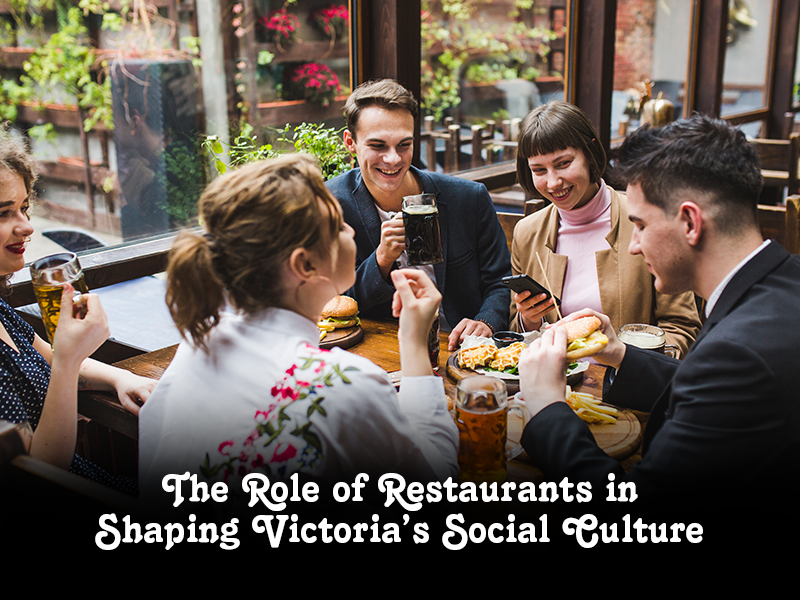
Restaurants have become valuable areas of social interaction as opposed to eating places. They are used by the Australians to forge relationships, relax, work away, and reconnect with friends and family members.
Spectacular seating, versatile designs, and accommodating spaces make individuals stay longer and come back. Successful restaurants are used in 2026 as a community center- someplace where individuals belong. This social role makes customers loyal and restaurants significant components of their daily lives, rather than places to be visited periodically.
The future of restaurant choice in Australia in 2026.
Australians in 2026 will use the experience when deciding on a restaurant in addition to the quality of food. Dining decisions are highly dependent on convenience, values and emotional connection as well as traditional factors such as taste and cost. Digital discovery – maps, socials, and peer reviews – is taking over diners, though ultimate decisions are informed by the extent to which a place fits lifestyle needs such as health, inclusivity, sustainability, and social connection. In an ever-competitive restaurant environment, restaurants that are consistently communicative about what they sell and how they make their guests feel are very unique.
Sensory journeys are gaining attention
The Australian diners do not just want to eat anymore; they want to experience the food with all their senses. Lighting, music, textures, plating, and even smell have become a part of the perception of a restaurant. Open kitchens and presentations on theatrical dishes, curated musical tunes, and deliberate design of the interior, sensory aspects make the dining experience memorable. Such experiences will promote longer durations, socialization, and recurring visits, and sensory storytelling will be an effective instrument to be used by restaurants in 2026.
Nostalgic and comfort classics return
Australians tend to seek familiarity in changing times. Classic foods that have fallen out of favor, including pasta, burgers, pizzas, and classic desserts, are returning in strong force and with a new twist. The nostalgic tastes trigger feelings of comfort and trustworthiness, which most of the diners prefer to traditional cuisine. This return has also boosted demand for venues like a wood-fired restaurant in australia, where traditional cooking methods add warmth and familiarity to modern dining.
Healthy conscious dining becomes standard
Dining with health consciousness is not an exception, but rather a given. The 2026 Australians are seeking balanced menus that do not compromise on nutritional and flavour, and indulgence. The common expectations include clear labelling of food, plant-based meals, less sugar, and being transparent about ingredients. Instead of making it appear healthy, the top restaurants naturally include wellness throughout their menus, and consequently, mindful eating is accessible and enjoyable to all.
Human-centric technology supports decisions
The human dining experience has been boosted by technology, and not dethroned by it. In Australia, people rely on artificial intelligence-based recommendations, online menus and online booking to make a more well-informed decision in a shorter period of time. But the focus is on convenience and simplicity, technology that makes life a little easier but not less personal. Such traits as ordering at the table, customisable dishes, and smart waitlists allow customers to count on the feeling of control and still appreciate the warm and attentive service.
Food halls and multi-concept spaces solve indecision, and food halls are also becoming a common solution to group dining and the indecision of the eater. These outlets are the spaces that provide the variety with the same roof, whereby a diner is not required to compromise with cuisines, budgets, and dietary needs. Australians like the casualness and social life in these establishments in 2026, particularly during casual events, family get-togethers and mixed age groups. They are a representation of the increasing preference for choice, efficiency and common experiences.
“Perfectly imperfect” dining becomes more appealing
The highly polished and overly formal dining is being replaced with the relaxed, authentic experiences. Australians are compromising more on restaurants that are authentic, warm and human, even though a little bit of imperfections. Candid portrayal of a hard-copy menu, exposure of the kitchen, and casual service provide an impression of sincerity and intimacy. This change indicates a wider cultural desire to have authentic experiences instead of manageable idealism; dining can be more intimate and less judgmental.
Simple checklist for choosing the right restaurant in 2026
Australians tend to select the place to eat by following a practical checklist: Is the place convenient? Does the menu have diversity and dietary inclusiveness? Can I book easily online? Does the occasion fit the atmosphere? Is the pricing transparent? Those restaurants that obviously fit these requirements decrease decision fatigue and have a greater chance of transforming the browsers into diners.
How broad menu restaurant fit modern dining preferences
Ranges of restaurants that offer a wide menu fit well with the contemporary Australian cuisines. They suit different tastes, are diet-friendly and suit groups of people with different tastes. These venues are successful in 2026 by providing choice without bombarding diners, usually with menu sections, recommendations and flexible portioning. The wide menus also encourage frequent visits since guests have the ability to visit the restaurant and have something different every time.
Key takeaway
The Australians in 2026 prefer restaurants with a balanced scorecard of comfort, variety, and experience combined with convenience and authenticity. The way to succeed is to know their emotional needs, present them with non-discriminatory options, and make them feel easy and unforgettable. Those restaurants that adapt to these expectations without losing their own approachability and human appeal will still exist in the new world of dining.