
Restaurants have been instrumental in shaping the social culture of Victoria and have grown significantly beyond their role as places to eat. Dining out is a part of everyday life in Victoria, as the state is very diverse, has a culture of lifestyle and a powerful focus on connectivity.
In busy urban areas of the city, to suburban areas and towns, restaurants serve as social places where individuals meet to mark achievements, have a post-work relaxation, and upkeep relationships. Dining out culture has served to establish the way Victorians socialise, conduct communication and community building and thus restaurants form an irreplaceable segment of the social lives of the state.
The eating out trends in the life of Victoria
The eating out business became the main part of the lifestyle of Victoria because of urbanisation, multicultural migration and the shifting pattern of employment, which altered the way people spent their time.
Melbourne and other nearby areas experienced significant growth in population and increased popularity, with restaurants becoming a convenient option for busy households, offering new cuisines and experiences.
Migration led to the introduction of various food customs which fostered exploration and communal meals, which became cultural interchanges. As the years passed eating out had ceased to be an infrequent luxury, a common social practice, and the lifestyle of Victoria with its fast-paced and at the same time communal nature.
Restaurant as a social gathering point
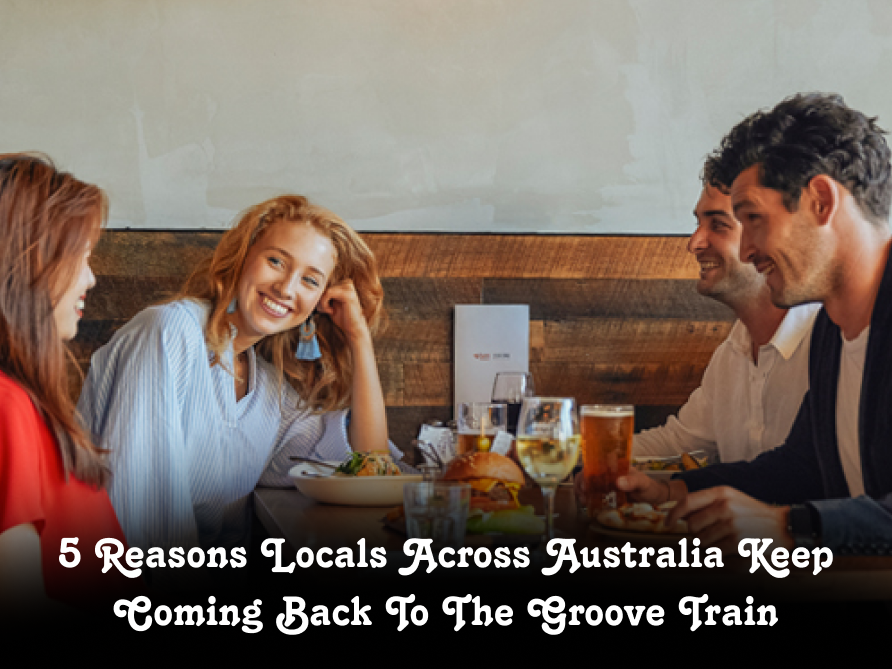
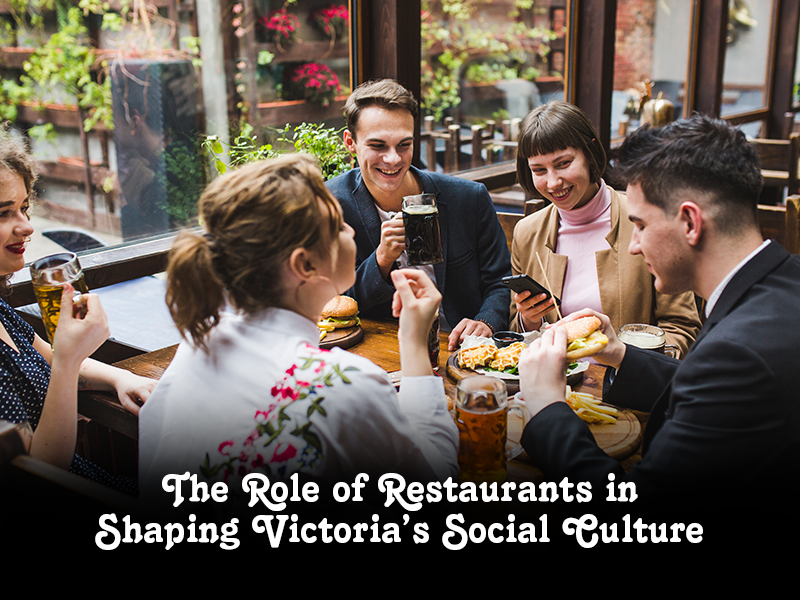
The restaurants in Victoria are present as contemporary places of meeting where social life is bound to happen. They offer non-biased, easy environments where friends, families, colleagues, and couples can get to know each other without the pressures of holding parties at home.
It is either a business catch-up, a birthday dinner, or a casual lunch, the environment of the restaurant facilitates a conversation and makes one feel together. Their openness and familiarity make them the best meeting points and strengthen their position as social anchors in the local communities and in the city centres.
This is especially true for suburban hubs, where a groove train restaurant in ringwood often becomes a familiar place for locals to meet, relax, and maintain social connections without travelling into the city.
Groove Train’s festive dining experiences are highlighted in their blog, celebrate christmas at your nearest groove train, showing how restaurants enhance social life throughout Victoria.
The significance of all-purpose, informal dining
The importance of casual, all-purpose meals in the social culture of Victoria is particularly relevant since it meets diverse rhythms of the daily routine. The restaurants that can be used both in impromptu dining and celebrations enable people to gather informally without any pressure.
This adaptability contributes to inclusivity, and it accepts families and young people, as well as members of the older generations. Casual restaurants ease social interaction and increase its frequency because the strict demands linked to dining are eliminated, which contributes to the development of relationships in carefree and comfortable environments.
And food and talk and bondage
Food has been a subject of discussion, and in restaurants in Victoria, food is taking centre stage in its endeavours to improve human bonding. Eating together provides a natural flow of conversation, laughter and narration. It is in restaurants where people can be able to talk to each other and have their conversations flow naturally, without daily distractions.
By eating together, enjoying the same taste, people unite, reconcile and establish a memorable experience and this underlines the strong association between food and social interaction.
The way restaurants contribute to the local communities
Restaurants play an important role in the local communities throughout Victoria by providing employment, stimulating local suppliers, and providing social spaces. They also end up becoming household recognitions in the neighbourhood where they can identify themselves and feel at home.
In growing suburban areas, such as those served by a restaurant in Epping, Vic, dining venues play an active role in strengthening neighbourhood identity while supporting local employment and suppliers.
Restaurants positively impact the local economy by purchasing local ingredients, employing the community as workers, and creating a sense of local pride. Most of them also sponsor community activities, charities and sporting clubs, which strengthens their presence as community players rather than business corporations.
The multigenerational culture and family dining in Victoria
The role of multigenerational relationships is important in the restaurant culture of Victoria as a family meal. Neutral spaces of restaurants bring grandparents, parents and children together to be in comfortable spaces irrespective of the size of their homes and lifestyle differences.
Such communal dinners help to maintain the family traditions, promote intergenerational storytelling, and support cultural values.
Their blog post, groove train weekend brunch, explains how casual dining supports family connections and strengthens community bonds.
Amidst the hectic contemporary world, restaurants offer sure chances for the family to reconnect and ensure a healthy relationship.
The role of the Groove Train in the culture of Australian dining in Victoria
The Groove Train has carved a unique niche in the Victoria dining culture by providing a comfortable, friendly atmosphere that would fit in various social events. It is regarded as a familiar place to eat due to its friendly menu and family-friendly environment and it has become a commonplace meeting point, celebration, and multigenerational meal place.
Its constant presence in the suburban areas can be considered as an extension of the wider Victorian desire to have an inclusive, all-occasions dining experience that lets people mingle together without pretence or exclusivity.
For example, a groove train restaurant in blackburn reflects how suburban dining spaces contribute to everyday social life by offering accessible, inclusive environments where families and friends can gather comfortably.
The Groove Train’s footprint across Victoria further strengthens its social influence. With locations in Blackburn, Casey, Cranbourne, Eastland, Epping Plaza, Greensborough, and Chirnside Park, it becomes part of daily life in multiple communities.
This accessibility allows people to meet locally, dine casually, and maintain social connections in familiar spaces, reinforcing the role of restaurants in shaping Victoria’s shared social culture.
The reason why restaurants will never be irrelevant socially
Restaurants will never be socially unimportant since they will address one of the primary human needs of connection and experience. Due to the changing lifestyles, restaurants are changing by providing flexible spaces that ensure that lifestyle is supported by both tradition and modern.
They are still the places where relationships are created, sustained, and glorified. Irrespective of the changes in technology or social life, the need to share meals with other people will keep the restaurant relevant in the social life of Victoria.
Conclusion
Restaurants are not just a place to dine in, they are a social institution in Victoria which defines how people live, socialise and form community. Their influence goes far beyond the plate, whether it comes to sustaining the local economies or supporting family ties and daily friendships.
Restaurants will remain the identity of Victoria, a cultural, social and generational intersection point, to further affirm the timeless influence of food, discussion and shared space in uniting people.